Amboseli National Park
Elephants beneath the roof of Africa
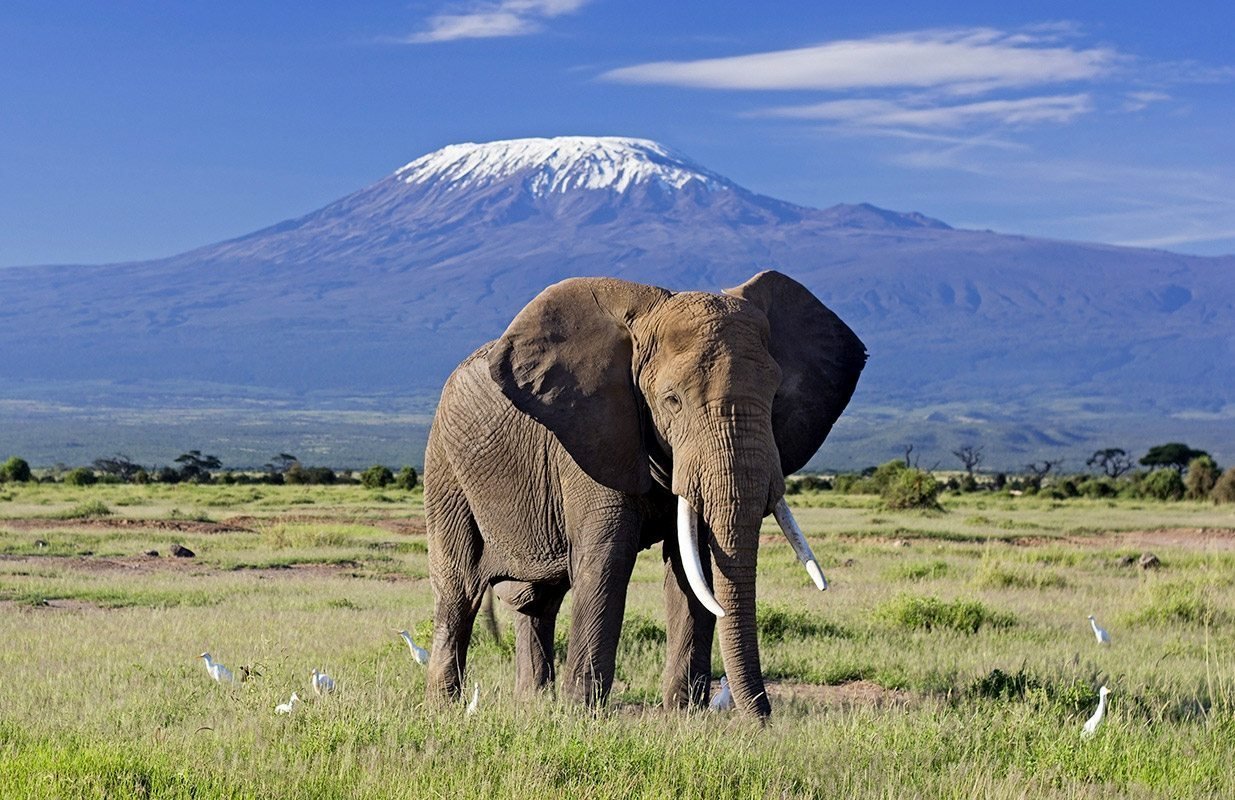
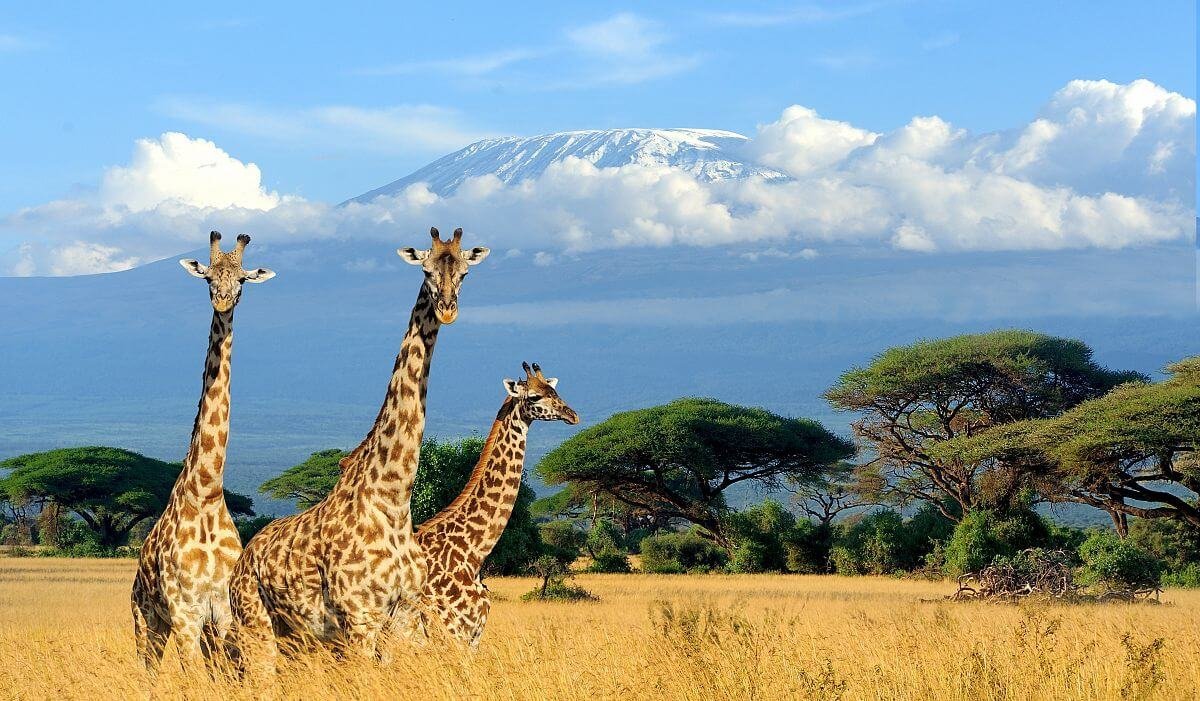
Amboseli National Park is located about 1200 m above sea level in southwest Kenya on the border with Tanzania. The direct view of Africa's highest mountain, Kilimanjaro, particularly impresses every visitor. A magical moment when the mountain emerges from the cloud layers in the sunshine will be etched in your memory!
The landscape is characterized by gray soda-containing dust as well as alternating acacia forests, open savannahs and numerous swamps fed by the meltwater of Kilimanjaro.
The large alkaline Amboseli Lake covers around a third of the park area when it is completely filled with water seasonally.-
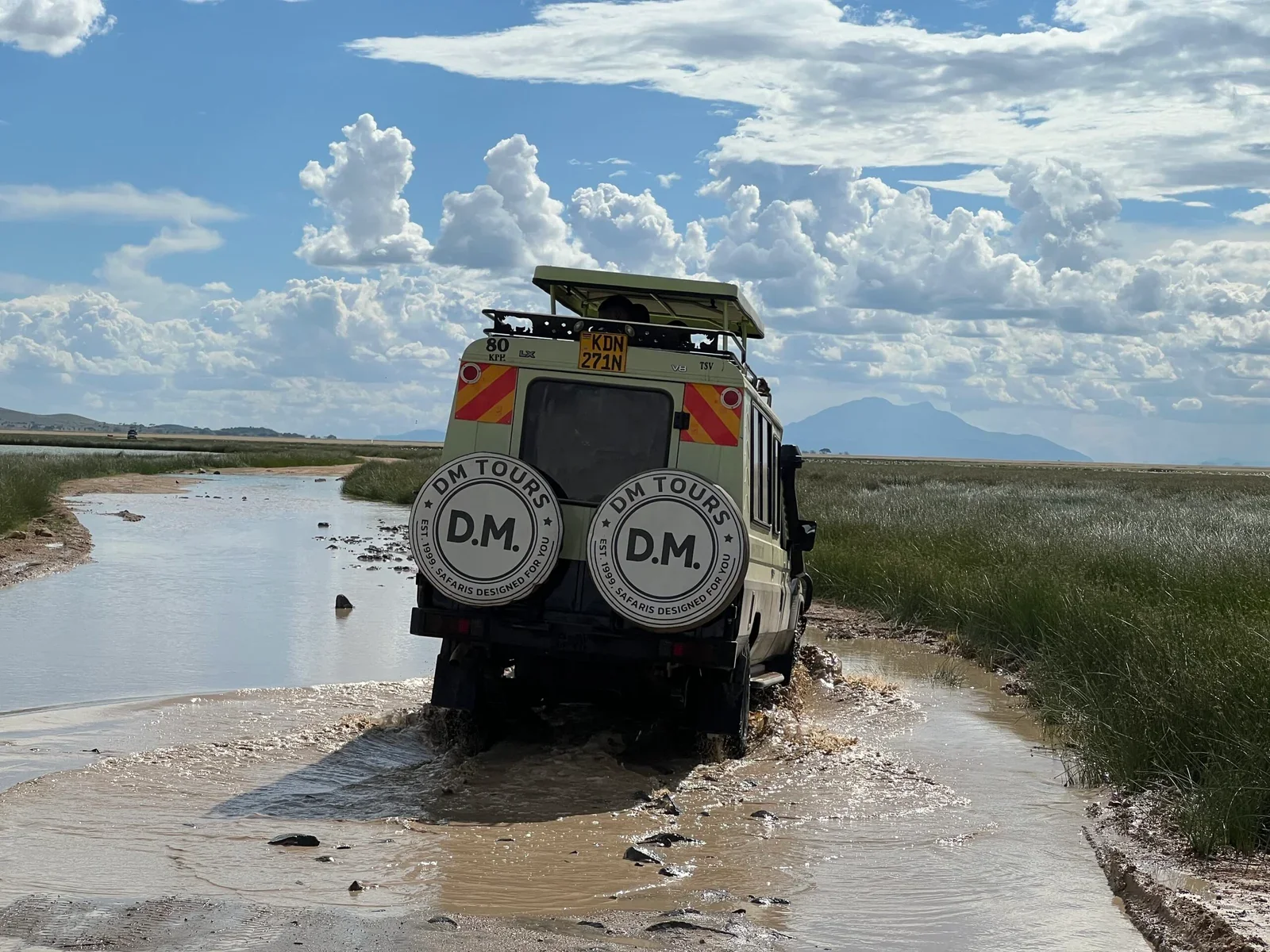
Game drives can be taken very close to the game-rich places. This gives visitors the wonderful opportunity to closely observe, film and photograph wild animals during their daily activities in their natural habitat!
Size
approx. 392 km²
Altitude
approx. 1,200 m
Bird species
over 400
Kenya's largest elephants
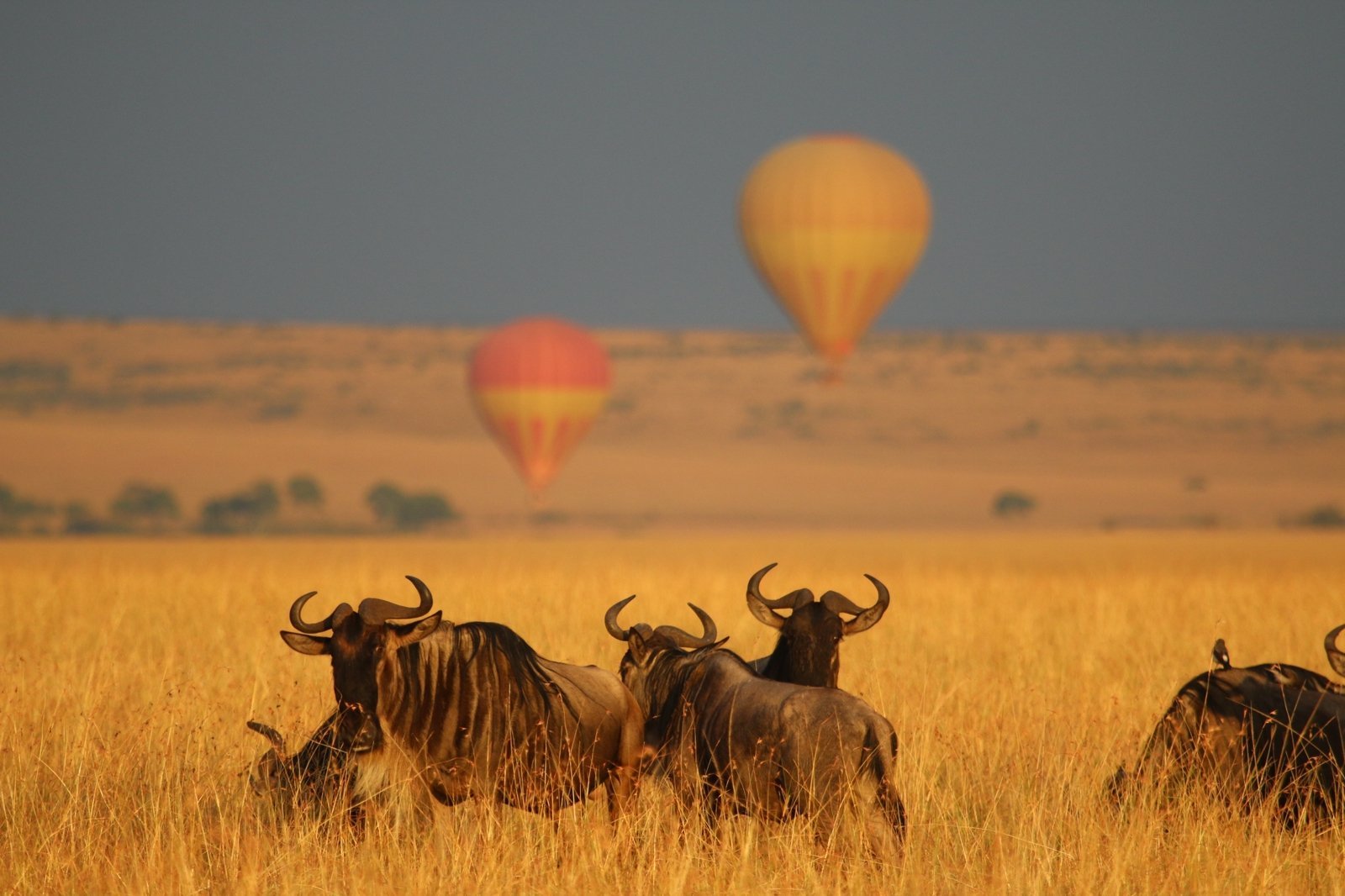
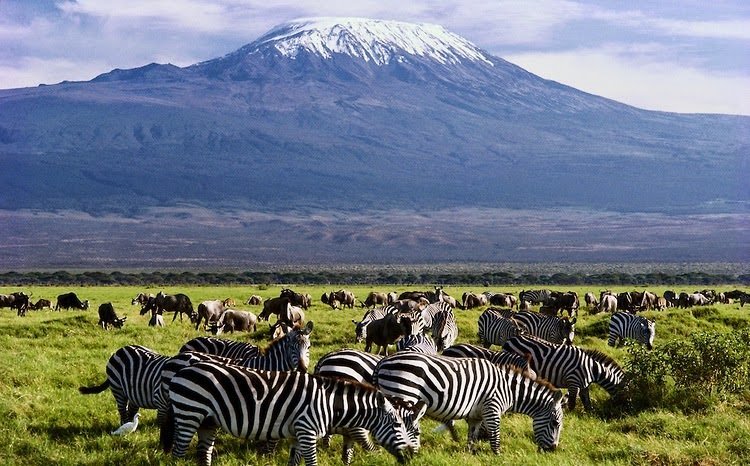
The 390 km² park is home to many species of big game: zebras, wildebeest, gazelles, buffalo, warthogs, giraffes, gemsbok and some rhinos.
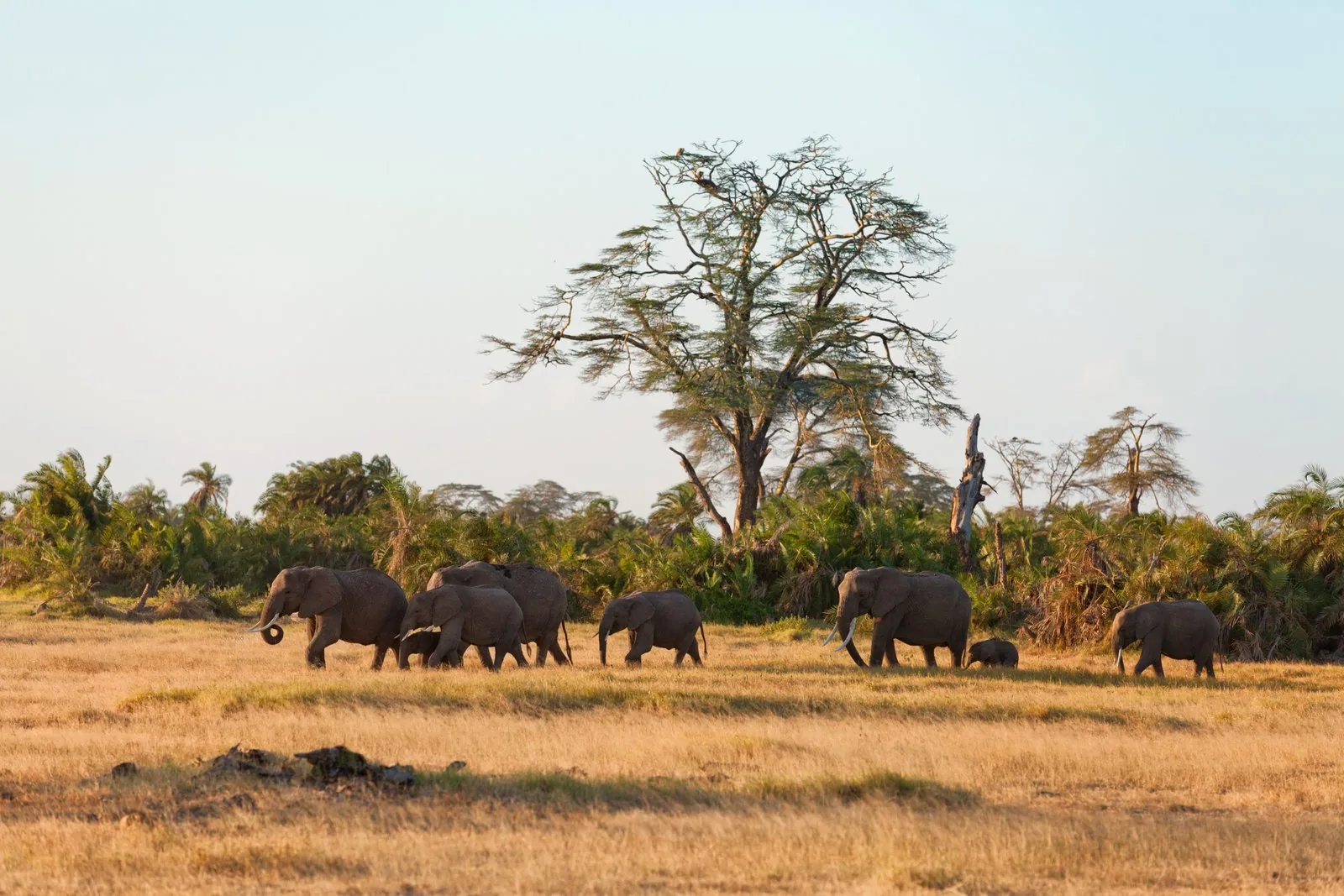
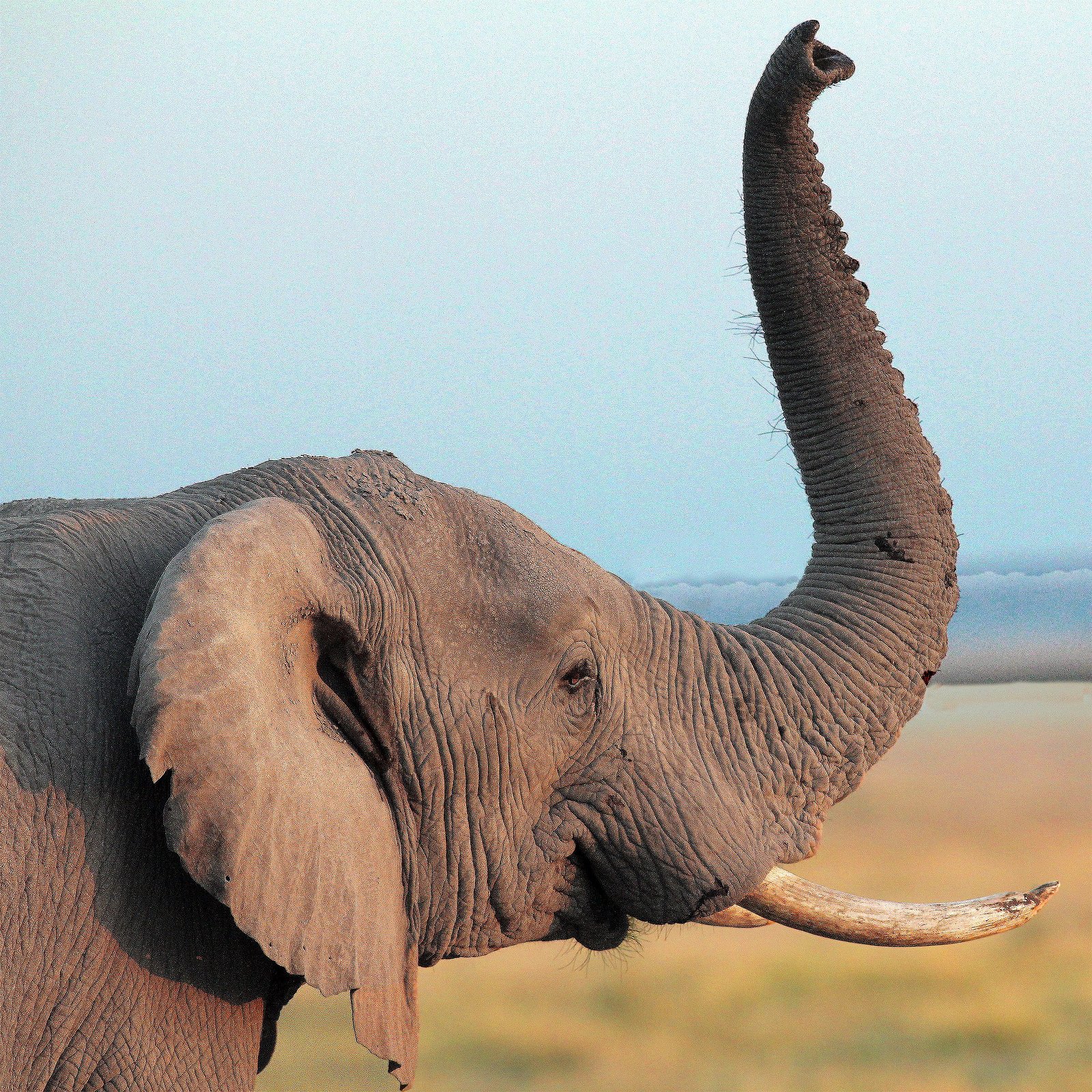
The stars of Amboseli are without a doubt the elephants! They are among the largest elephants in the country and can be admired in huge numbers. The animals move to the wetlands to drink and cool off.
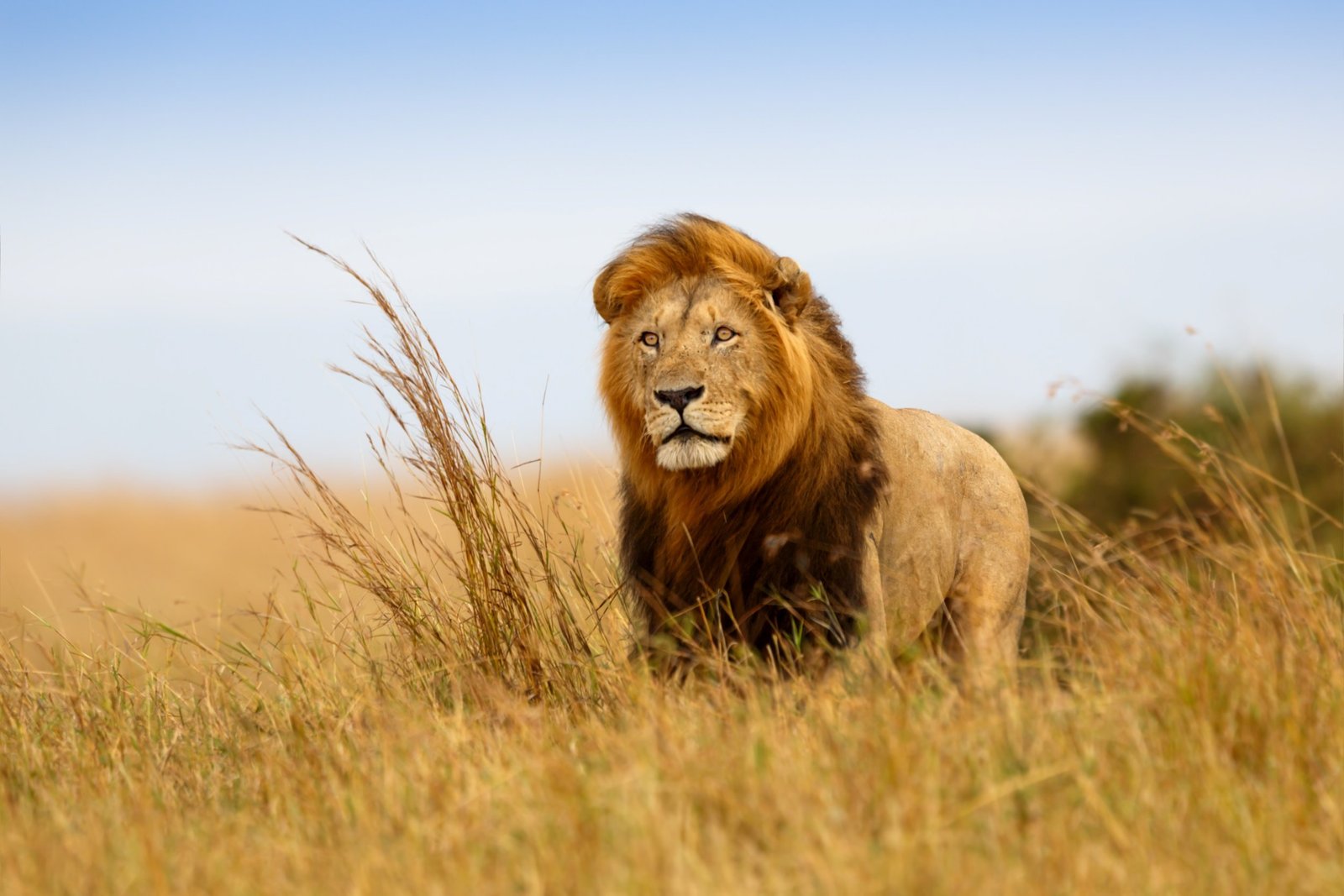
Predominant predators in the park are lions, spotted hyenas, caracals and jackals. With a bit more luck, leopards and cheetahs can be encountered.
Over 400 species of birds and waterfowl especially after the rains gather in the area of Amboseli National Park.
When to travel?
Amboseli can be visited year-round. The dry seasons from June to October, and January and February, offer the best conditions: the animals gather around the swamps and the view of Kilimanjaro is at its clearest.
During the rainy seasons (March to May and November) the landscape is green and birdlife especially active, though the summit is often shrouded in cloud. Early morning hours usually offer the clearest view of the mountain.