Maasai Mara
Kenya's most famous wildlife reserve
The Maasai Mara is one of the most famous and famous animal reserves.
In the Maasai language, Mara means spotted or spotted. Some say the Maasai chose this term because of the mottled-looking landscape, acacias and thorn bushes on the otherwise uniform plain. Others believe that the Mara appears as if it were covered in spots as millions of wandering ungulates move across the vast plains during the Great Migration.
The Maasai Mara and the adjacent Loita Plains in Kenya form the northern part of the vast Serengeti - Maasai Mara ecosystem.
The Maasai Mara National Reserve covers approximately 1530 km², bordered by the Serengeti (Tanzania) to the south, the Siria Escarpment (also known as Oloololo) to the west, and Maasai farmland to the north, east, and west. The Sand, Talek, and Mara Rivers are the main waterways flowing through the reserve.
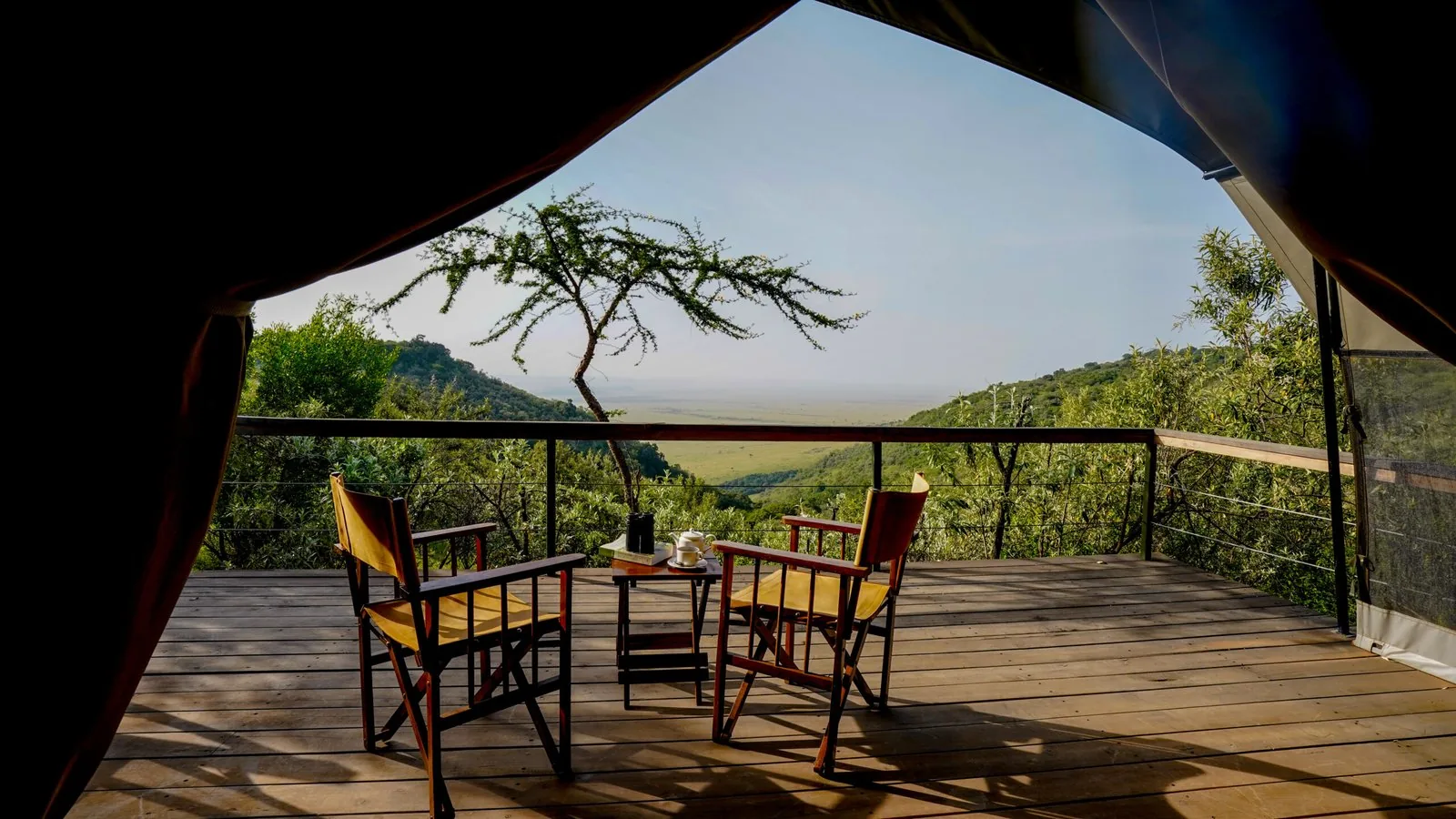
The Maasai Mara includes diverse natural habitats for the native wildlife: the wide plains covered with tall red grass and scattered acacia trees, gentle hills covered with short grass, rocky inselbergs, small wooded areas, extensive marshland, swampy areas and, of course, the mighty Mara River with its riparian forests.
All the animals in Africa seem to meet here!
Size
approx. 1,530 km²
Mammal species
approx. 80
Bird species
over 450
Big Five & the great migration
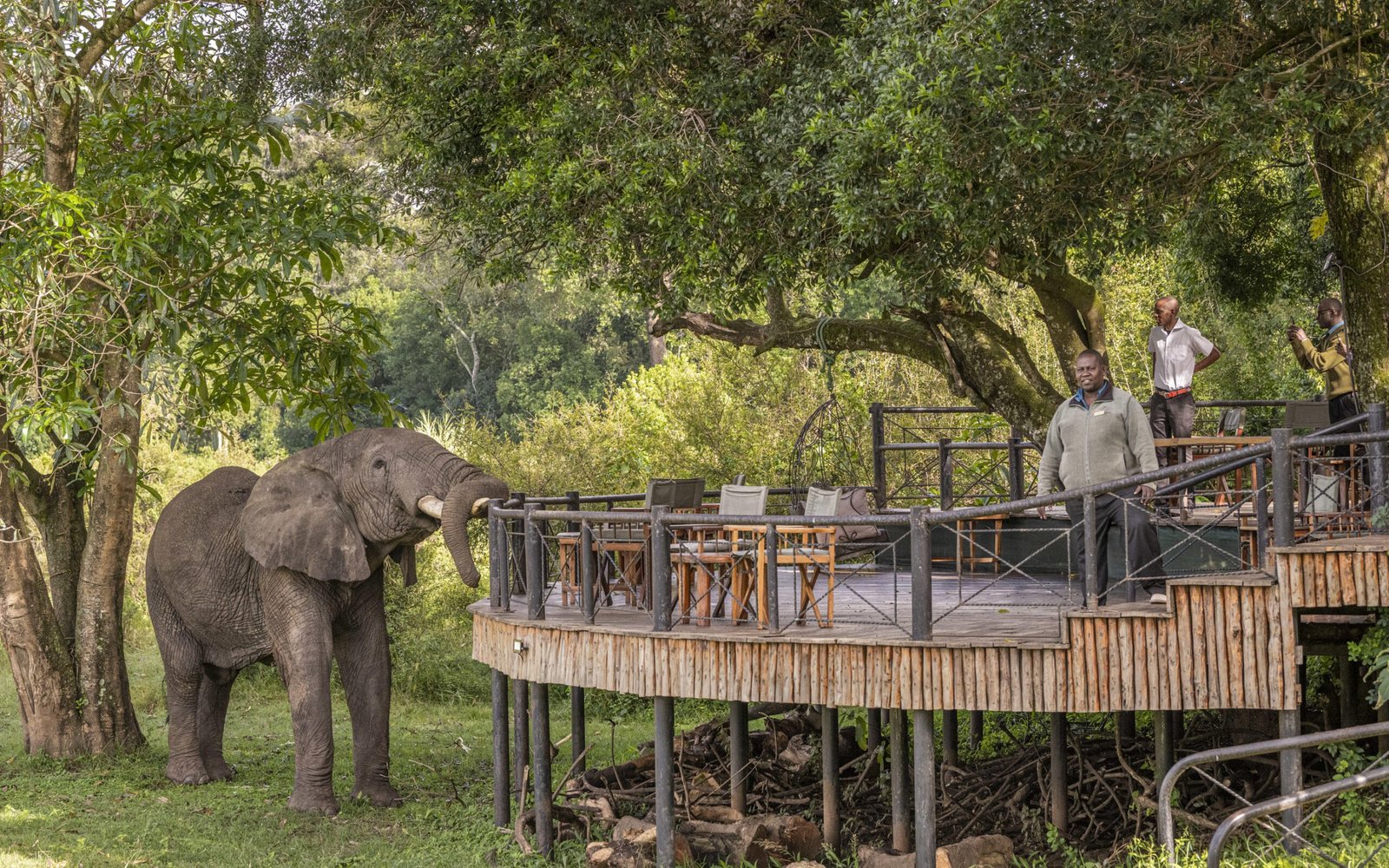
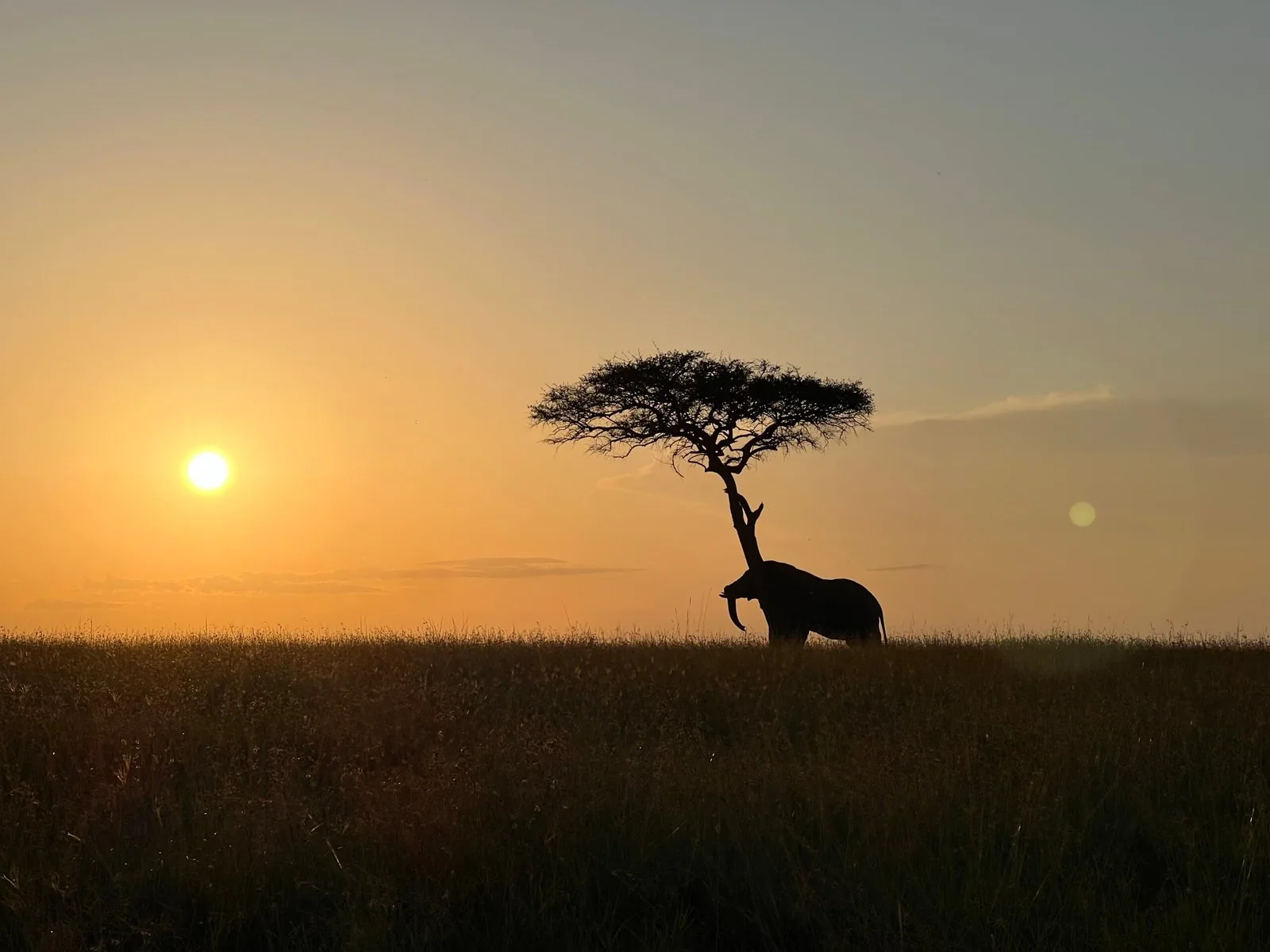
The Mara ecosystem is home to some of Africa's largest and most diverse wildlife populations. Here you can get very close to wild animals. We can observe almost all animals on the African continent: around 80 different species of mammals and more than 450 species of birds.
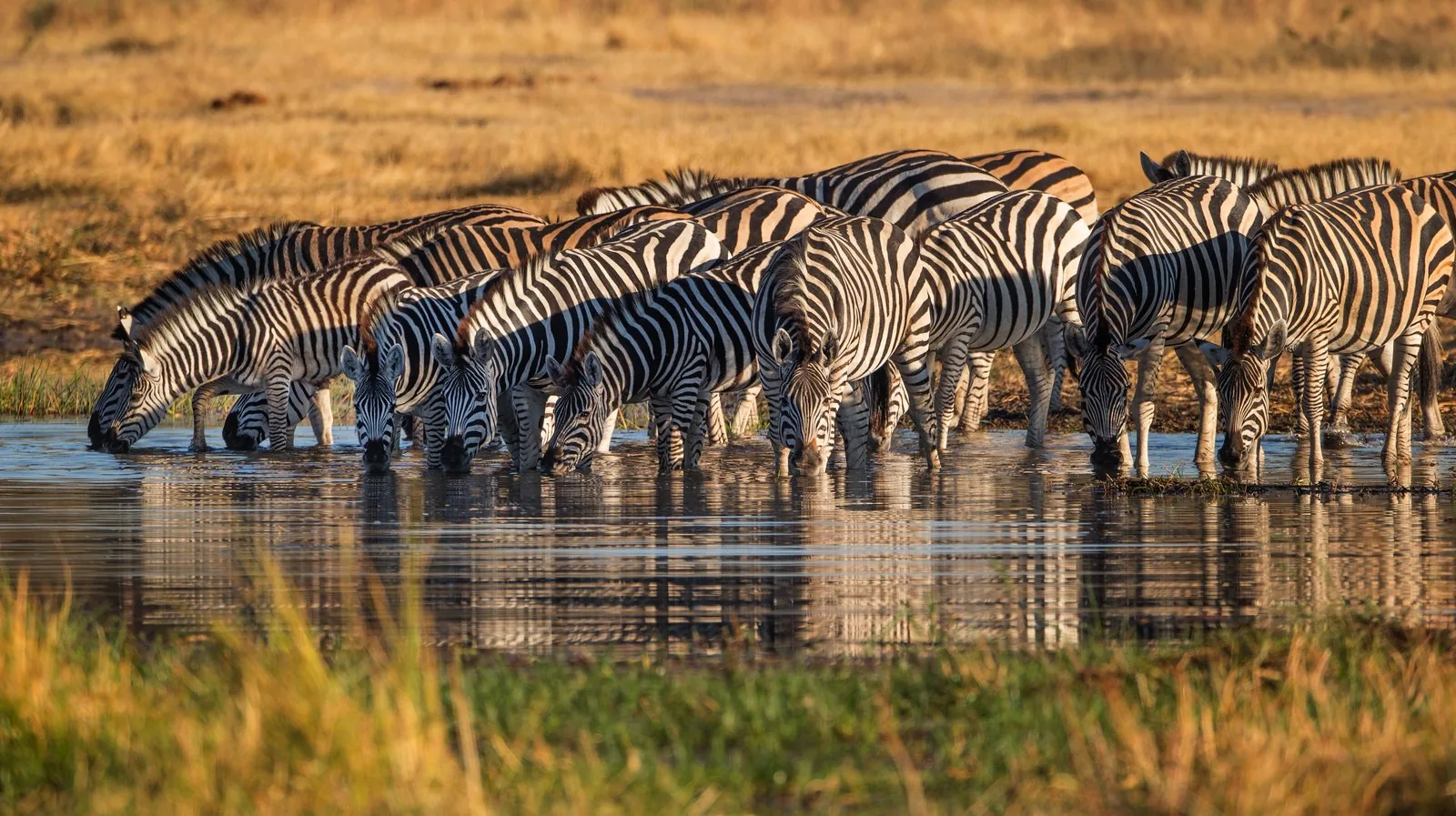
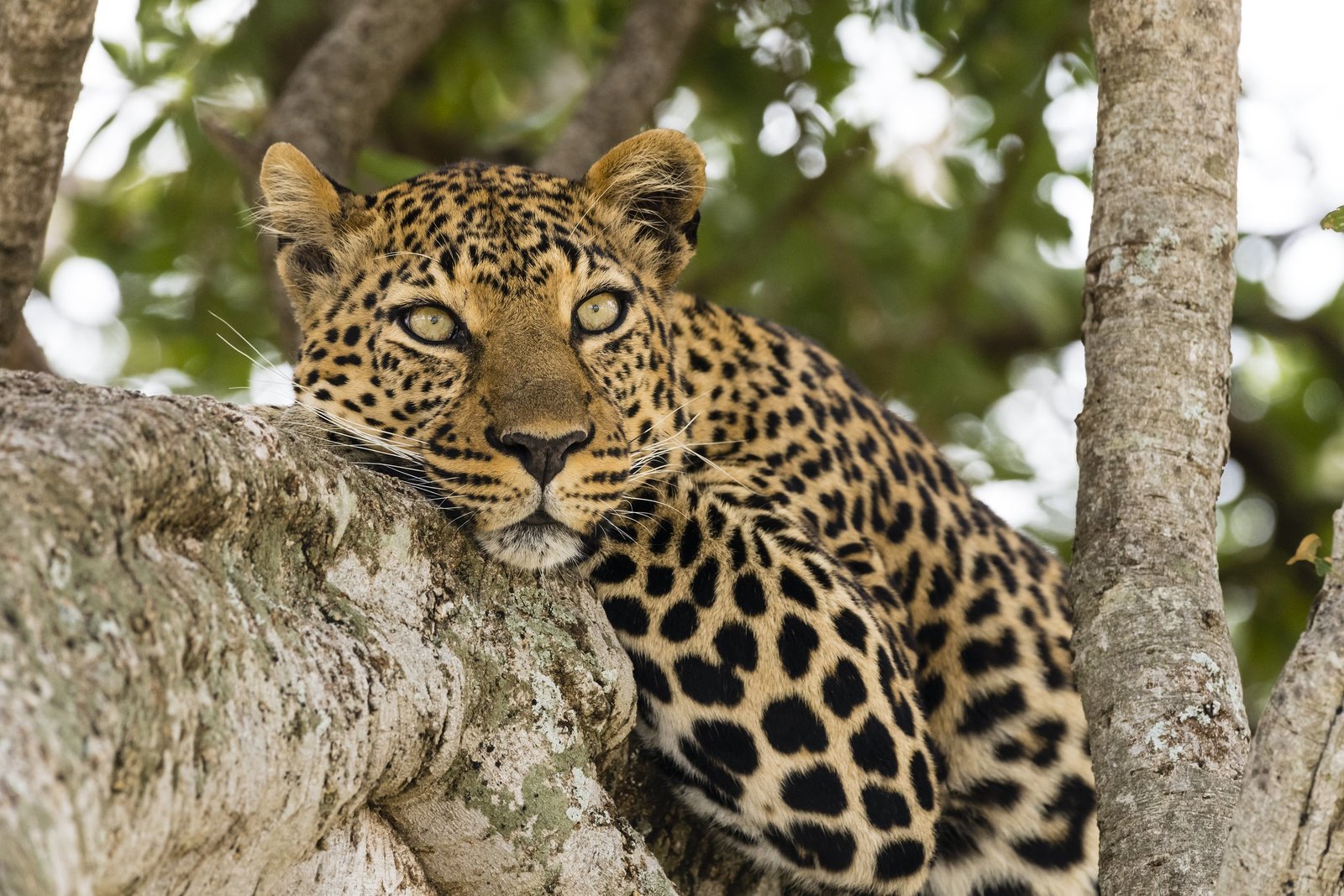
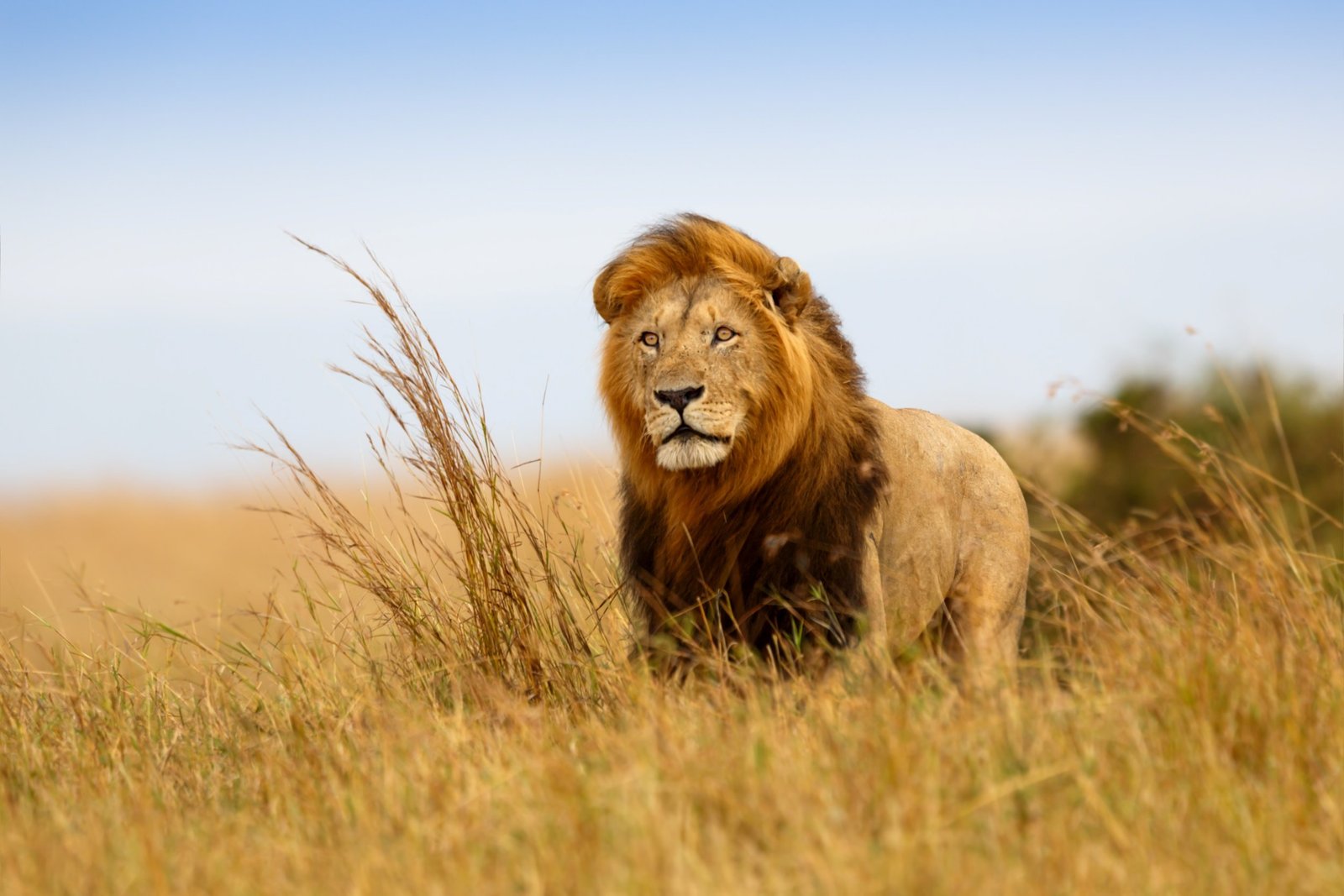
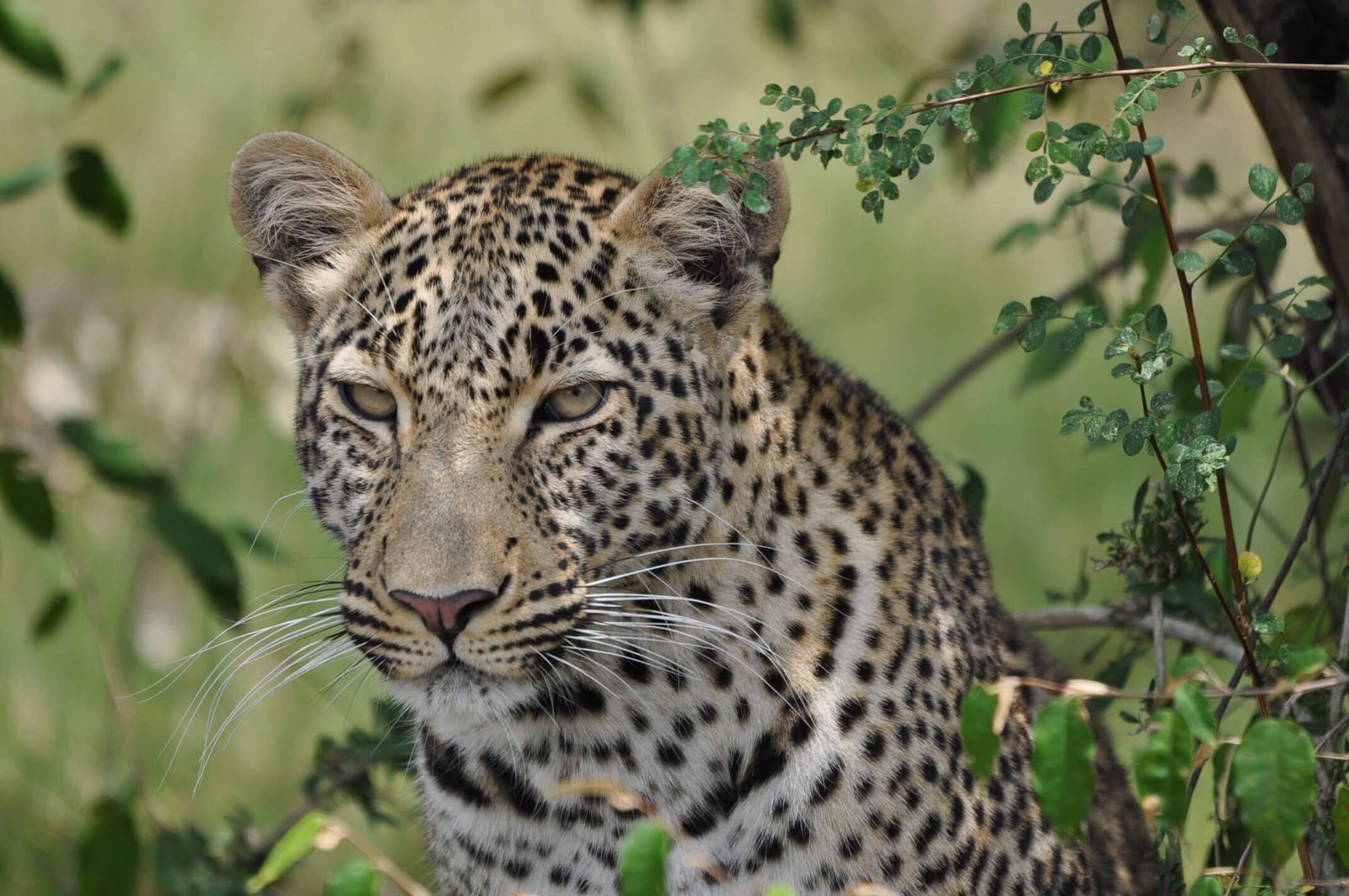
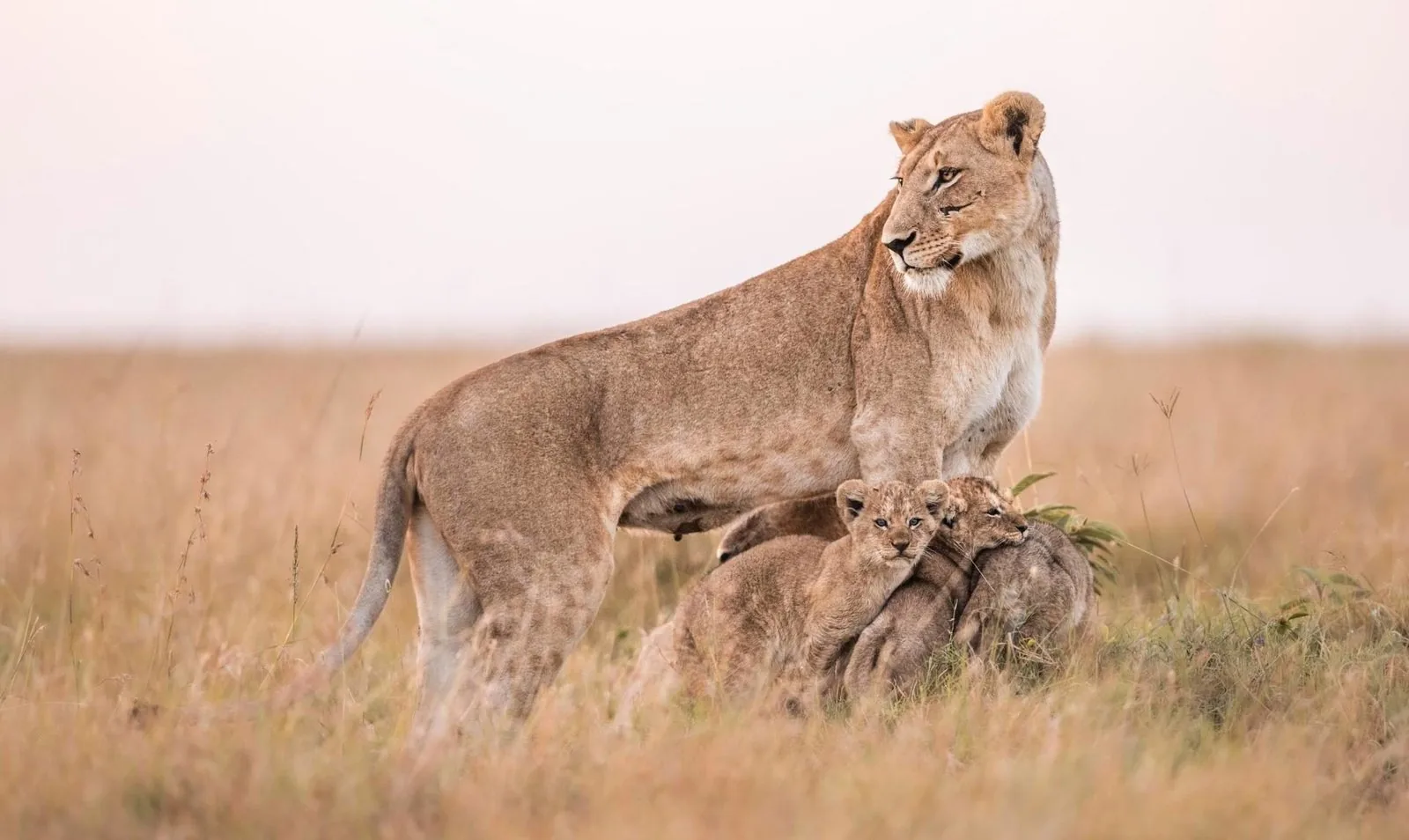
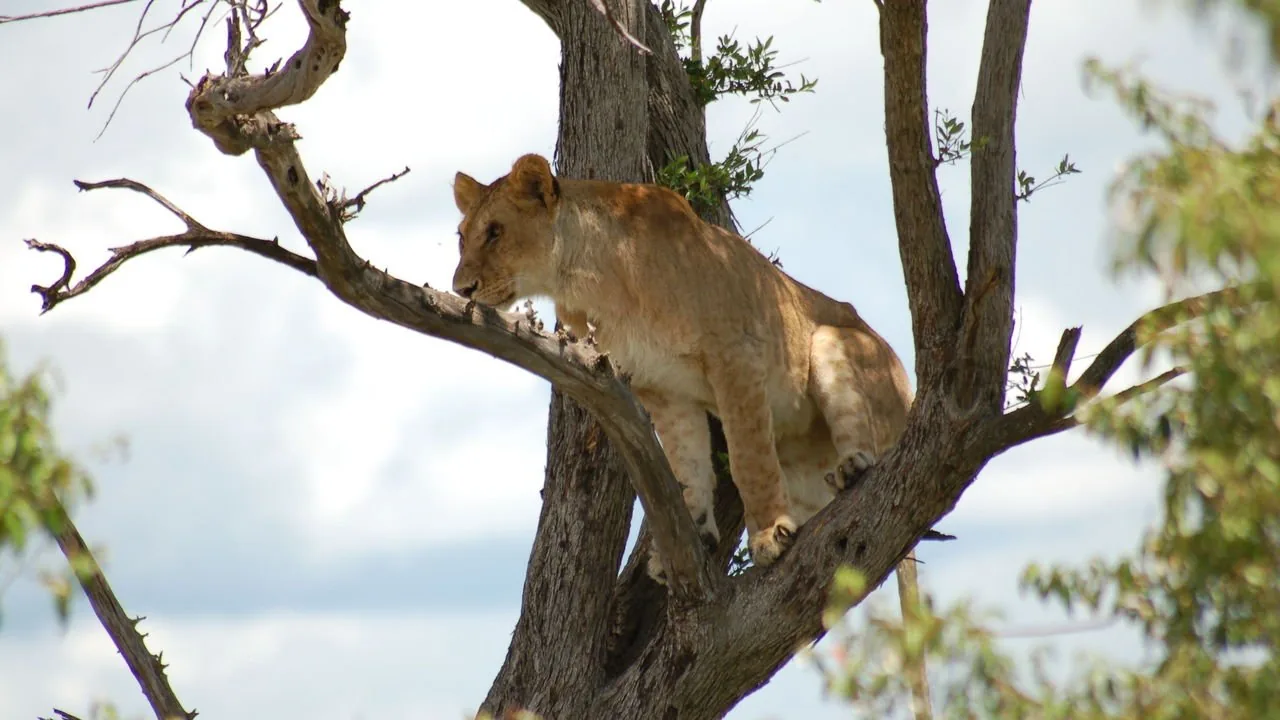
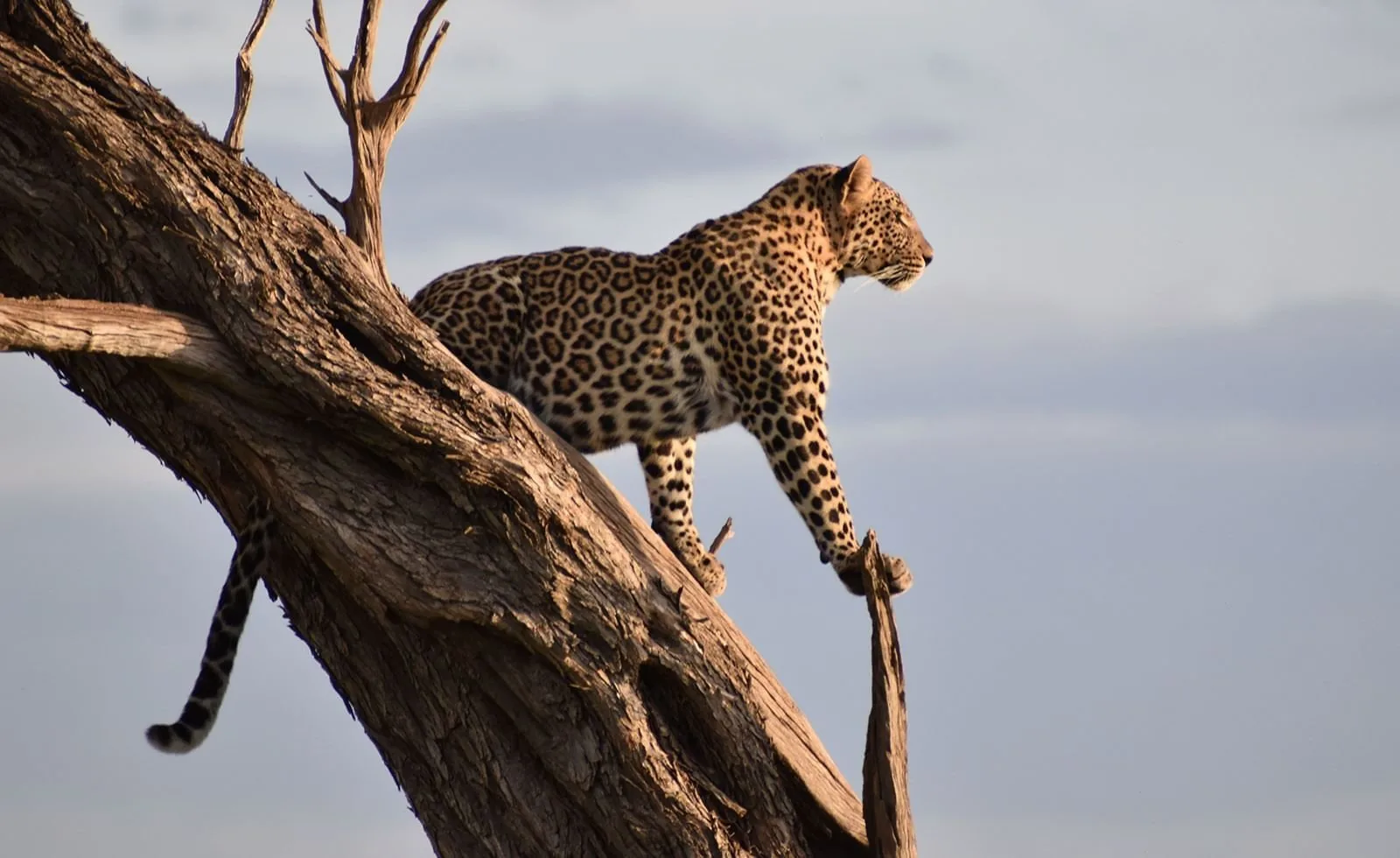
Large resident herds of zebra, antelope, buffalo, gazelle, giraffe, as well as predators (lions, leopards, cheetahs, hyenas) are widespread all year round. Here you can often witness a lion hunt, which is now a rarity in other parts of Africa.

When to travel?
There is no real best time to visit the Maasai Mara, excellent game viewing is possible at any time of the year.
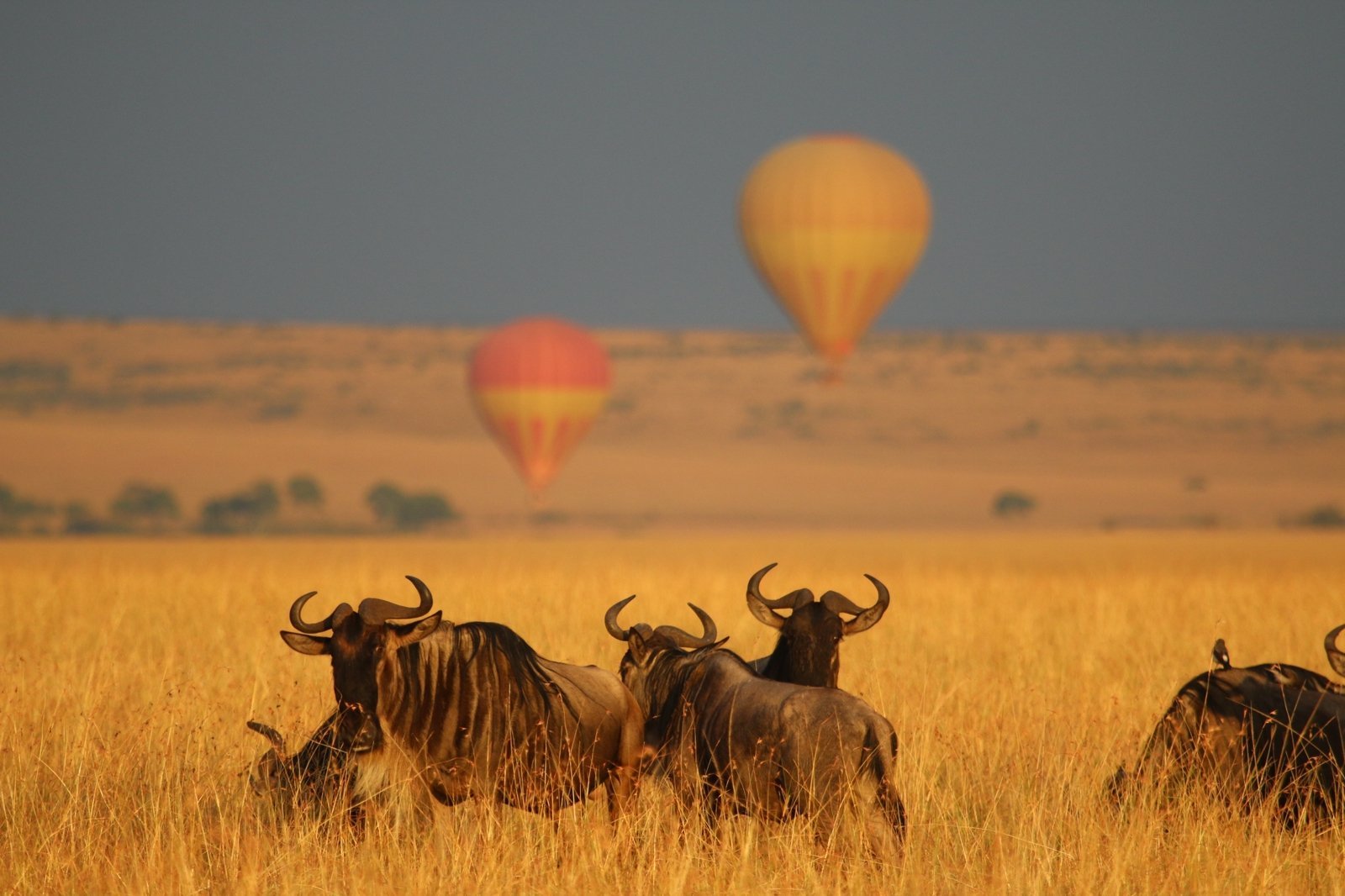
Most animal lovers want to combine their visit with the Great Wildebeest Migration from July to November. Getting the timing right is really difficult. Nature cannot be influenced; migration sets in motion depending on rain and the search for food.
The hottest season is from December to March, when temperatures range from 28ºC / 80ºF to 32ºC. The cool season lasts from July to September, but temperatures rarely fall below 12ºC. Nights can be cool in all seasons due to the altitude (1500 m above sea level) of the Mara Plains and warm clothing is important.